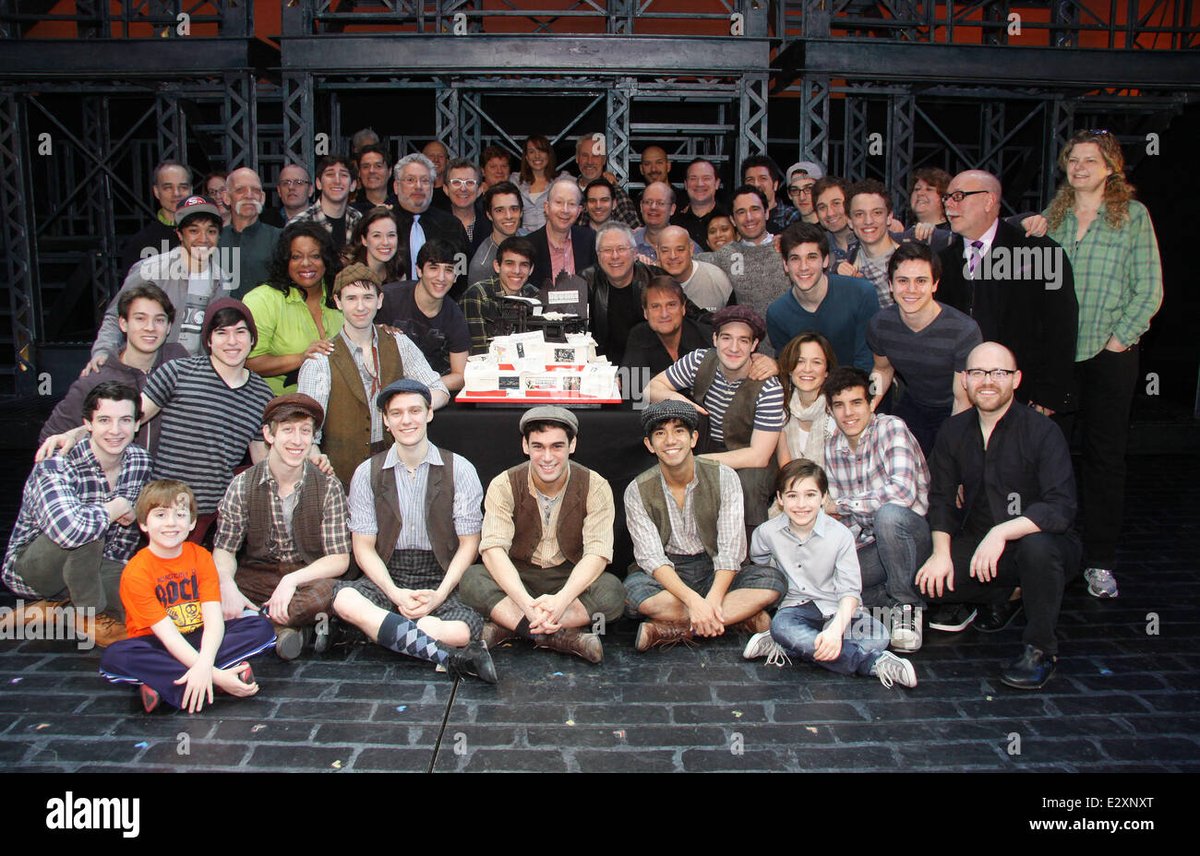
In the dazzling world of theatre, where magic unfolds under the glow of footlights, the performance itself is only one part of the story. Behind every unforgettable moment on stage is a dedicated ensemble of artists, craftspeople, and innovators. Understanding these individuals, their journeys, and their contributions is precisely why Cast & Creative Team Biographies are not just a formality; they're an essential gateway to appreciating the full tapestry of a production. These concise narratives offer a vital glimpse into the talent and hard work that bring a beloved show to life, enriching the audience's experience and providing crucial context for industry peers.
At a Glance: Crafting Compelling Biographies
- Purpose Beyond the Page: Bios connect audiences with the people behind the art and serve as professional calling cards.
- Core Elements: A stellar bio highlights current role, key past credits, education, awards, and unique skills.
- Tailor Your Tale: Adjust content and tone for different platforms (program, website, professional submission).
- Quality Over Quantity: Be selective with credits; focus on those most relevant and impressive.
- Show, Don't Just Tell: Use specific examples (roles, awards, unique talents) to illustrate impact.
- Accuracy is Paramount: Always double-check names, titles, and dates.
- Embrace the Human Element: A dash of personality can make a bio truly memorable, especially for younger performers.
Beyond the Curtain Call: Why Bios Truly Matter
Think of a production program not just as a guide, but as a scrapbook of excellence. Each name listed, from the lead actor to the lighting designer, represents a unique set of skills, experiences, and artistic vision. When you pause to read about a performer or a creative team member, you're doing more than just passing time before the show; you're gaining insight that deepens your connection to the performance.
For audiences, these biographies transform abstract roles into tangible people. Knowing that John Little, playing Scrooge, is a graduate of the Yale School of Drama and has spent ten seasons at the Shakespeare Theatre of NJ immediately elevates our perception of his craft. It tells us we're in the hands of a seasoned professional. Similarly, discovering that Angelina Bolentini, making her debut as Tiny Tim, speaks English and Portuguese fluently and is learning two more languages, adds a delightful layer of wonder to her first principal stage appearance. These details foster empathy and admiration, turning a passive viewing into an active appreciation.
For the professionals themselves, a well-crafted bio is an indispensable tool. It’s a dynamic resume, a networking asset, and a record of achievement. It communicates their brand, their capabilities, and their career trajectory to potential collaborators, casting directors, and industry executives. When Gail Astrid Buckley’s bio proudly states it's her 18th year as Costume Designer for A Christmas Carol, alongside two Elliot Norton Awards and two IRNE Awards, it doesn’t just convey experience; it broadcasts a legacy of excellence and consistent quality. This isn't merely information; it's a statement of professional prowess.
The Anatomy of a Stellar Bio: Essential Elements
Crafting a bio isn't about listing everything you've ever done. It's about strategic storytelling, presenting the most impactful information concisely and compellingly. Let's dissect the key components:
Current Role & Tenure: Grounding the Reader
Always begin by clearly stating the individual's role in the current production. This immediately grounds the reader in the context they're engaging with. For returning artists, highlighting their tenure is a powerful testament to their enduring connection and expertise.
Consider Chris Bardizbanian, performing as Young Scrooge for his 3rd year in A Christmas Carol. This isn't just a role; it's a commitment, a journey of growth the audience can now appreciate. Gail Astrid Buckley's 18th year as Costume Designer and Laura D. DeGiacomo's 17th production of A Christmas Carol aren't just numbers; they signify an unparalleled understanding of the production's unique aesthetic and demands. This consistency speaks volumes about their talent and dedication.
Select Credits & Highlights: Quality Over Quantity
Unless you're a recent graduate, a bio should never be an exhaustive list of every project. Instead, curate "select credits" that are most relevant to the current production, demonstrate range, or represent significant career milestones.
Amy Barker's bio, for instance, carefully selects performances at prestigious venues like Huntington Theatre (A Little Night Music) and Lyric Stage Company (Noises Off). These aren't just roles; they're badges of honor from well-regarded institutions, showcasing her versatility. Similarly, Terance Reddick's "Broadway debut in the last revival of Les Misérables" is a specific, high-impact highlight that immediately establishes his caliber. For technical roles, Gerald Frentz's "Broadway highlights" as Associate Technical Supervisor for Aladdin and Lead Carpenter for Ragtime are far more compelling than a laundry list of every show he's ever touched.
Education & Professional Affiliations: Credentials and Networks
Formal training and professional memberships lend significant credibility. They signal dedication to craft, adherence to industry standards, and connection to a broader professional community.
John Little's "graduate of the Yale School of Drama" immediately communicates a rigorous foundation in acting. Steve Gagliastro's "BA in Music Education from UMASS, Amherst" and his role as a "Professor of Visual and Performing Arts at Worcester State University" highlight both his academic roots and ongoing contribution to arts education. Memberships in organizations like AEA (Actors' Equity Association) for performers like Amy Barker, Laura D. DeGiacomo, and Bill Mootos, or United Scenic Artists for Gail Astrid Buckley, indicate professional status and a commitment to fair labor practices in the industry.
Awards & Recognitions: Proof of Excellence
Awards are objective validations of talent and impact. Including them, even for regional accolades, speaks volumes.
Gail Astrid Buckley's two Elliot Norton Awards and two IRNE Awards for Costume Design are powerful affirmations of her excellence. Bill Mootos’s "2 IRNE Awards for Best Actor" and his Elliot Norton Award nomination for Network provide clear evidence of critical acclaim. Matt Kraus's Emmy Award for his sound design work on "Disney’s Broadway Hits at Royal Albert Hall" is an undeniable mark of top-tier talent. These details don't just state skill; they prove it.
Unique Skills & Personal Touches: What Makes Them Stand Out
Beyond professional achievements, a brief mention of unique skills or personal interests can make a bio memorable and humanize the artist. This is particularly effective for younger performers.
Angelina Bolentini's fluency in English and Portuguese, along with her budding French and Spanish, paints a picture of a talented, well-rounded individual. Isabel Gonzalez-Webster’s involvement in the “mutt-agree club” and The Black Excellence program highlights her community spirit and passions beyond the stage. For Takaaki Matsumoto, mentioning he's "an accomplished magician and creator of the YouTube channel Team TAKA" adds an intriguing, multi-talented dimension to his profile. These details create a connection, making the artist more relatable and interesting.
The "Why": Connecting with the Audience
Ultimately, a good bio isn't just a fact sheet; it's an invitation. It invites the audience to invest emotionally in the people bringing the story to life. When you read about Annie Kerins returning for her 17th season, not just as Mrs. Fezziwig but also as Associate Director and Associate Choreographer, having "contributed to creating this year’s new production," you understand her deep commitment and integral role. This insight transforms her from an actor to a key storyteller.
Crafting Your Narrative: A Step-by-Step Guide
Writing an effective biography, whether for yourself or for others, is a nuanced art. Here's how to approach it systematically:
1. Gather Your Groundwork: Inventorying Achievements
Before you write a single word, compile everything. List all significant roles, productions, education, awards, special skills, and professional affiliations. Don’t filter at this stage; just get it all down. For a team, gather these details from each individual. This comprehensive inventory becomes your well of information.
2. Tailor to the Platform & Audience: Context is King
Where will this bio appear? A print program for A Christmas Carol will have different space constraints and an audience than a website bio for a technical director, or a submission for a grant.
- Production Program: Keep it concise, focused on the show, and accessible to a general audience.
- Website/Company Profile: Allows for a bit more detail, perhaps links to portfolios or personal sites.
- Professional Submission: Highly curated, emphasizing specific skills or experiences relevant to the opportunity.
For A Christmas Carol’s program, the bios are typically brief and impactful, designed to be read quickly before or during intermission. The details included are chosen for maximum resonance within that context.
3. Start Strong: The Opening Line
Your first sentence should capture attention and establish the individual's primary identity for the current production.
Instead of: "Jonah Moura is in this show."
Try: "Jonah Moura makes his debut at The Hanover Theatre in A Christmas Carol as Newsboy and Ignorance." This is direct, informative, and positions him immediately.
Or: "Samarth Shenoy is performing as Peter Cratchit."
Better: "Samarth Shenoy, a fifth-grade student at Sherwood Middle School, returns to A Christmas Carol this year, performing as Peter Cratchit, after playing Tiny Tim for two consecutive years." This adds context, growth, and specific details.
4. Prioritize & Prune: Less is More
With your inventory in hand, select only the most impressive, relevant, and recent credits. If you're an actor, prioritize roles that showcase your range or align with the character you're playing. If you're a designer, highlight impactful designs or collaborations with notable directors.
Consider Abby Ray, Assistant Stage Manager. Her bio lists "previous credits include Curious George and the Golden Meatball, Kinky Boots, and Little Shop of Horrors at North Shore Music Theater." These are significant regional productions, reflecting competence and experience without needing to list every high school play. This selective approach ensures impact.
5. Polishing Your Prose: Voice and Tone
Write in the third person. Use active voice and strong verbs. Keep sentences varied and paragraphs tight. The tone should be authoritative but approachable, reflecting the professionalism of the individual.
- Avoid: "He was chosen to be a Buddy for the Special Olympics Unified Games."
- Prefer: "He was also chosen as a Buddy for the Special Olympics Unified Games." (More direct).
- Avoid: "Her costume designs have been given awards."
- Prefer: "She has received two Elliot Norton Awards and two IRNE Awards for Costume Design." (Specific, active).
Remember, you're not just listing facts; you're crafting a mini-narrative that reflects their professional journey. It's much like how a compelling TV series guide, such as a Star Trek TNG episode guide, focuses on key plot points and character arcs to draw the reader in, rather than just reciting every single event.
6. The Final Check: Accuracy and Impact
Proofread meticulously. A typo in a name or a misstated credit can undermine credibility. Read the bio aloud to catch awkward phrasing. Ask yourself:
- Is it clear?
- Is it concise?
- Does it accurately represent the individual's contributions?
- Does it inspire confidence or interest?
For Jane Siebels, Production Stage Manager, her bio emphasizes her long-standing collaboration with Troy Siebels since 1996 and her Resident Stage Manager role, alongside her work on Doubt and The Crucible. This precise detailing reinforces her expertise and reliability.
Special Considerations for Different Roles
While the core elements remain consistent, the emphasis shifts depending on the role.
Actors: Bringing Characters to Life
For actors, bios should highlight versatility, specific roles, and experience across different genres.
- John Little (Scrooge): His bio mentions national/international tours (Cabaret, A Christmas Carol, Crazy for You), Off-Broadway credits (King of the Jews, Hamlet), and TV appearances ("Law and Order," "Boardwalk Empire"). This showcases a broad range across stage and screen.
- Maggie M. Clark (Belle): Her credits span musicals like All Shook Up and Memphis, alongside A Christmas Carol and Clue: The Musical. This quickly conveys her musical theatre background and stage presence.
- Lillian Rogers (Ghost of Christmas Past): For a younger actor, highlighting recent significant high school roles like Laurie Williams in Oklahoma and Sophie in Mamma Mia is crucial for demonstrating burgeoning talent.
Designers: The Architects of Atmosphere
Designers' bios should emphasize specific projects and the impact of their work.
- Gail Astrid Buckley (Costume Designer): Her recent designs for Flight (New England Conservatory) and 101 Damnations (Hasty Pudding Show) give concrete examples of her aesthetic and adaptability.
- Charlie Morrison (Lighting Designer): Listing national/international tours like The Cher Show, Disney’s The Little Mermaid, and A Chorus Line demonstrates experience with large-scale, complex productions.
- Matt Kraus (Sound Design): His Broadway and Off-Broadway credits, like Liza’s at the Palace… and Jim Henson’s Emmet Otter’s Jug-Band Christmas, speak to his experience crafting intricate sonic landscapes.
Directors & Choreographers: Visionaries and Guides
These bios should reflect artistic vision, leadership, and successful collaborations.
- Troy Siebels (Director): His bio details his leadership at The Hanover Theatre (developing the organization, directing over twenty productions of his Christmas Carol adaptation), and his previous roles at Stoneham Theatre and American Stage Festival. This establishes him as a seasoned artistic leader.
- Taavon Gamble (Choreographer): His Off-Broadway credits, regional choreography for Fun Home and The Prom (earning an Elliot Norton nomination), and educational work at Brown University and Boston Conservatory showcase his versatile experience and critical acclaim.
- Annie Kerins (Associate Director, Associate Choreographer): Her dual role, 17th season, and direct involvement in "creating this year’s new production" highlight her deep understanding of the show and her multifaceted contribution.
Stage Management & Technical Team: The Backbone of Production
These bios should emphasize organizational skills, problem-solving, and a steady hand in complex environments.
- Jane Siebels (Production Stage Manager): Her long tenure (since 1996), Resident Stage Manager role, and experience with demanding productions like Doubt and The Crucible demonstrate her indispensable leadership and reliability.
- Gerald Frentz (Technical Director): His "Broadway highlights" for Aladdin and Ragtime, along with international work, underscore his ability to manage large-scale technical challenges globally.
- Sarah MacIntyre (Assistant Stage Manager): Listing production management at JMAC Worcester and stage management for Central Square Theatre and Moonbox Productions showcases diverse experience in varied theatrical settings.
Emerging Talent / Youth Performers: Spotlighting Potential
For younger or debut performers, bios can blend nascent theatrical achievements with other unique talents or community involvement, showcasing a well-rounded individual.
- Angelina Bolentini (Tiny Tim): Her debut, recent appearance in The Nutcracker, academic achievements, and language skills paint a picture of a bright, promising young artist.
- Isabel Gonzalez-Webster (Belinda Cratchit): Her debut, Hanover Theatre Conservatory training, artistic exhibition, and community involvement ("mutt-agree club," Black Excellence program) highlight a budding talent with strong community ties.
- Jonah Moura (Newsboy, Ignorance): His stage debut is balanced with appearances in local community productions and his role as a Special Olympics Buddy, showing a compassionate and engaged young person.
Common Pitfalls to Avoid
Even seasoned professionals can stumble when crafting biographies. Watch out for these common errors:
- Too Long or Too Short: A bio that's a paragraph too long loses attention, one that's too short leaves the reader wanting more (or wondering about experience). Aim for conciseness with impact.
- Generic Language: Phrases like "passionate about theatre" or "dedicated artist" are often true but don't differentiate. Instead, show passion through specific achievements.
- Lack of Recent Credits: Audiences want to know what you've been up to lately. Ensure your most impactful recent work is prominent.
- Typos and Grammatical Errors: Nothing undermines professionalism faster than a careless mistake. Proofread ruthlessly.
- Over-Humility or Excessive Boasting: Strive for a confident, factual tone. Let your achievements speak for themselves without exaggeration or false modesty. For example, instead of saying "She is the best costume designer," state "She has received two Elliot Norton Awards for Costume Design."
- Out-of-Date Information: Ensure all roles, affiliations, and awards are current and accurate. An outdated bio is worse than no bio.
Beyond the Page: Maximizing Your Bio's Reach
A cast and creative team biography is more than just text in a program; it's a vital piece of an artist's professional identity and a theatre's public face. These bios feed into a broader narrative that the theatre presents about its commitment to excellence, its community, and the caliber of its talent.
By creating well-crafted, thoughtful biographies, a production amplifies the stories of its people, enhancing the audience's investment and fostering a deeper appreciation for the collaborative art of theatre. They transform anonymous names into celebrated individuals, each with a unique journey that culminates in the magic we witness on stage.
The Last Word on Lasting Impressions
In an age of instant information, a well-written biography offers a curated, compelling narrative that connects, informs, and inspires. It's a testament to the fact that while a production may be ephemeral, the impact of its artists and creative minds endures. Investing in polished, human-centered Cast & Creative Team Biographies isn't just good practice; it's a celebration of the talent that makes the theatrical experience truly beloved. They are the stories behind the story, ensuring that the people who craft the magic are remembered and revered long after the final curtain falls.